Replacing fear with science,
and confusion with a plan.
Families are often the most powerful resource in a person's recovery — but they are also the most underserved. FAHU exists to change that.
I am not a doctor.
I am not a scientist.
I have no credentials hanging on any wall. What I have is a lifetime of addiction.
I've been using since I was young — stopping when I could, starting again when I couldn't hold on any longer. Recovering and relapsing in a cycle I once believed would never end. I've been on both sides of this disease: the person whose family watched from the outside not knowing what to do, and the person who finally, after years of trying, found a way through.
This program started in 2018 as a seminar. I was going to stand in front of rooms of families and share what I had spent years learning the hard way — what addiction actually is, what it does to the people around it, and what you can and cannot do about it. I built slides. I outlined sessions. The seminar never happened the way I planned. But the work did. Eventually it became this: an online course. The slides became lessons. The sessions became modules. The workbook came out of everything I wished someone had handed me years earlier.
Inside every person struggling with addiction, there is someone who does not want to be the way they are. Someone who looks at the damage and wishes they were different. I know this, because I was that person — and I still am on the hard days.
That person does not respond to ultimatums, shame, or confrontation. They respond to love that doesn't enable. To boundaries that protect without punishing. To family members who understand the disease rather than react to the behavior. That is the entire premise of this course.
There is no guaranteed path out of addiction. That is the most honest thing I can tell you. Most people who start using a substance continue using it until it kills them. That is true of caffeine and nicotine. It is true of alcohol. It is far more brutally true of methamphetamine, cocaine, and opioids. I cannot give you a solution. I cannot promise that your loved one will get sober if you do everything right — because that is not how this disease works, and I will not lie to you about it.
What I can tell you is that families who are educated make better decisions. Boundaries built on understanding rather than frustration hold longer. And being truly present — in a way that helps without harming — matters deeply when the moment comes that your loved one is ready to reach for something different.
I wish I could offer more. I meet families every day with loved ones still in the grip of addiction, and I feel the weight of not having a cure to hand them. What I can offer is this: hope that things can get better, and understanding of your role — what it is, and what it is not. That is why I built this program. That is the only reason it exists.
Science translated into language you can use at the kitchen table, in the car, or during the hardest conversation of your life.
This isn't a support group. It's not therapy. It's education — the same understanding a clinician gets about the brain and behavior, rebuilt for the family member who has to live with this every day without a roadmap.
The course bridges the gap between complex addiction science and the daily reality of the family home. Four modules. Sixty lessons. One clear direction.
Four Modules. One Transformation.
Each module builds on the last, taking you from foundational science to a concrete, personalized action plan.
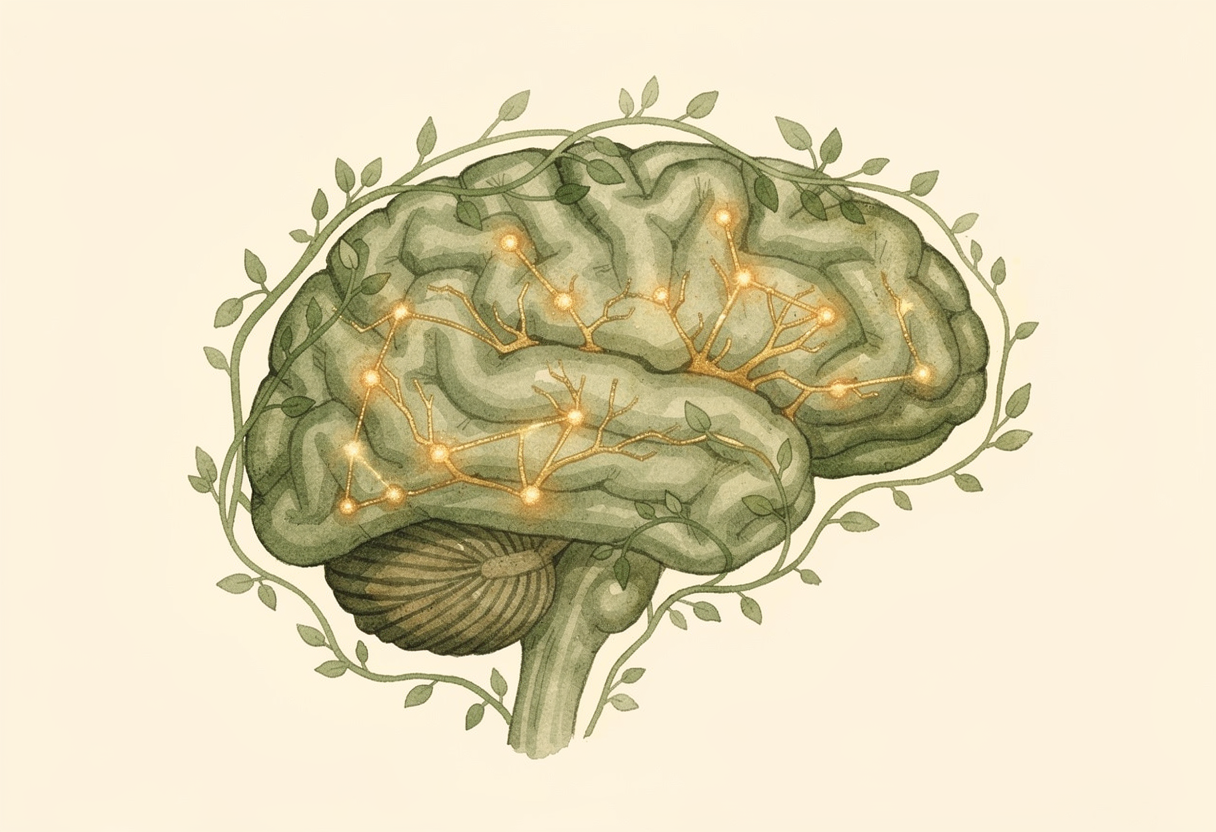
What Addiction Is and Isn't
The neurobiology of the disease, the hijack of the reward system, and why willpower alone fails. We shift the focus from moral judgment to medical understanding.
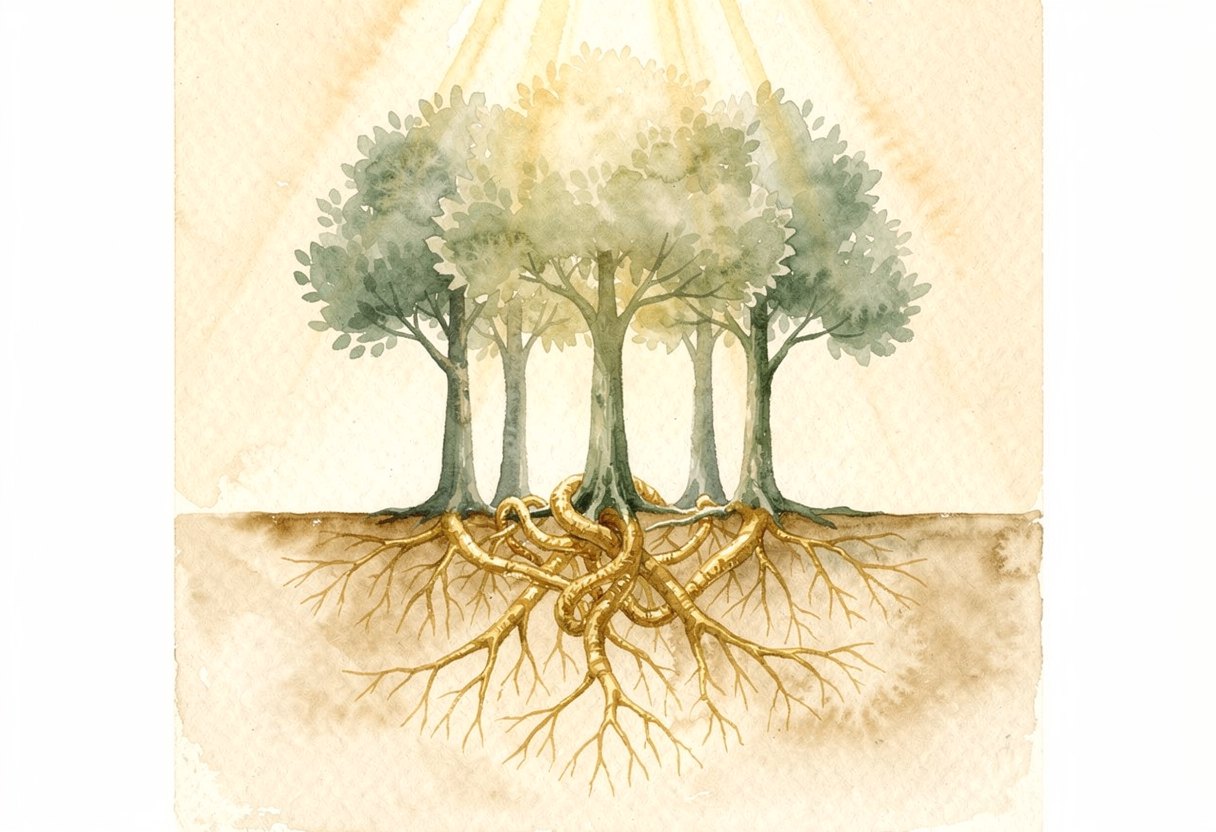
The Family System
Identifying the roles we unconsciously play — The Hero, The Scapegoat, The Enabler — and understanding how the entire family ecosystem adapts to the disease.
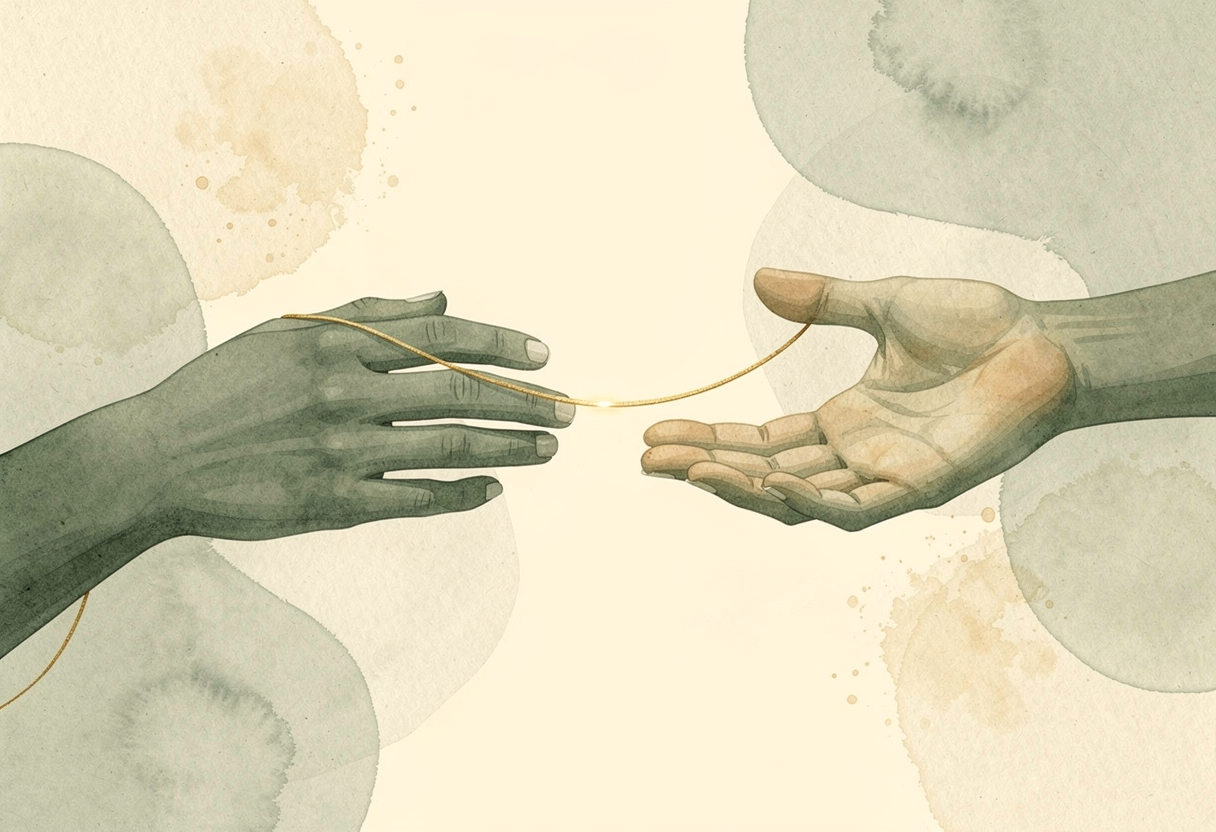
The Practical Toolkit
Concrete skills for daily life: The "Three C's", effective communication using "I" statements, and the vital art of setting and holding healthy boundaries.
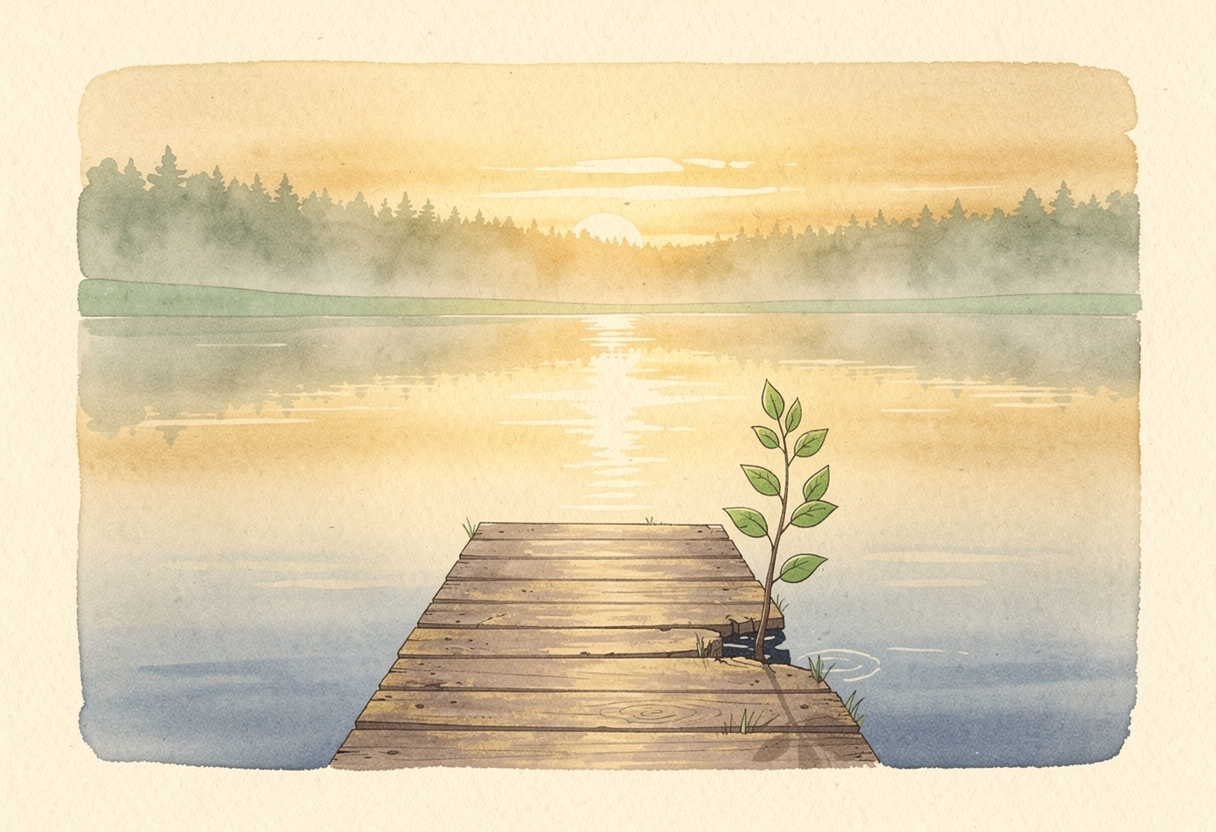
The Path Forward
Building your long-term strategy. Self-care as a strategic necessity, navigating relapse without panic, and connecting with a support community that sustains you.
Books That Shape
Our Curriculum
Deepen your understanding with these foundational texts from the authors and researchers who inform our course.
See our full collection on the Resources page →
Built on Peer-Reviewed Science
Our curriculum is grounded in the research and clinical standards of leading addiction science institutions.
Foundational medical models establishing addiction as a chronic brain disease.
Understanding addiction as a treatable disease of the brain.
Core peer-support frameworks and the "Three C's" cognitive tool.
Evidence-based cognitive-behavioral tools for family members.
Community Reinforcement and Family Training methodologies.
Framework of dysfunctional family roles in the addiction ecosystem.
FAHU is an independent educational course and is not formally affiliated with or endorsed by these organizations.
Questions? We're here.
The fastest way to reach us is through the contact form — we typically respond within one business day. If you prefer a direct line, hover the details below.
Send Us a Message →Begin your path to understanding.
One payment. One year of access. A course that changes how families heal.