Latest News The Kindness You Were Told to Withhold: What the Research Actually Says About Confrontation, Compassion, and Addiction Latest News Craving Is Not Character: What Brain Science Reveals About Compassion, Stress, and Recovery Latest News The Grief That Gets No Flowers: Invisible Loss, Relapse, and What Families Can Do About It Latest News Al-Anon, an Intervention, or CRAFT: What Happened When Researchers Tested All Three Head to Head Latest News The Architecture of Help-Seeking: What Research on Concurrent Disorders Reveals About Your Role as a Family Latest News When "Won't" Is Really "Can't": What New Research on Alcohol, the Brain, and Cognitive Recovery Means for Families Latest News When Treatment Ends: Peer Support, Family Presence, and the Evidence Behind Recovery's Most Dangerous Threshold Latest News When the Floodwaters Rise: What Disaster Research Reveals About Recovery, Telehealth, and the Family Home Latest News The Biology of Belonging: What Stress Hormones Tell Us About Family Support in Recovery Latest News The Words Between Us: Why Family Communication Is the Unsung Variable in Addiction and Early Psychosis Recovery Latest News The Stigma Gap: How What We Know, What We Feel, and What We Do Shape Recovery for Families Touched by Addiction Latest News Why Genetics Matter for Families: Understanding the Science Behind Cocaine's Grip and the Hope It Offers Latest News The Hidden Injury Within the Hidden Injury: Why Family Behavioral Health Cannot Be Separated from Youth Recovery Latest News When the House Always Wins: The Hidden Psychological Burden on Families of People with Gambling Disorder Latest News The Playlist That Pulls: Music, Memory, and the Hidden Cues Shaping Recovery — What Families Need to Understand
Evidence-Based Family Education

When someone you love is drowning,
you need a lifeline that works.

The drug epidemic is claiming lives at a horrific rate. Loving someone through an addiction is the hardest thing you will ever do — but you don't have to do it blindly. Join thousands of families replacing fear and panic with science, compassion, and a concrete plan.

🎓 60 lessons on life-saving skills · 📖 Actionable family workbook · 📖 Guided by Expert Research
News & Insights

Fresh Perspectives for Recovery

Stay informed with the latest science and find connection in shared experiences.

The Curriculum

A Roadmap from Chaos to Clarity

We teach you exactly what the brain is going through, and how you can change the family dynamic to encourage real recovery.

The Disease & The Brain
Module 1

The Disease & The Brain

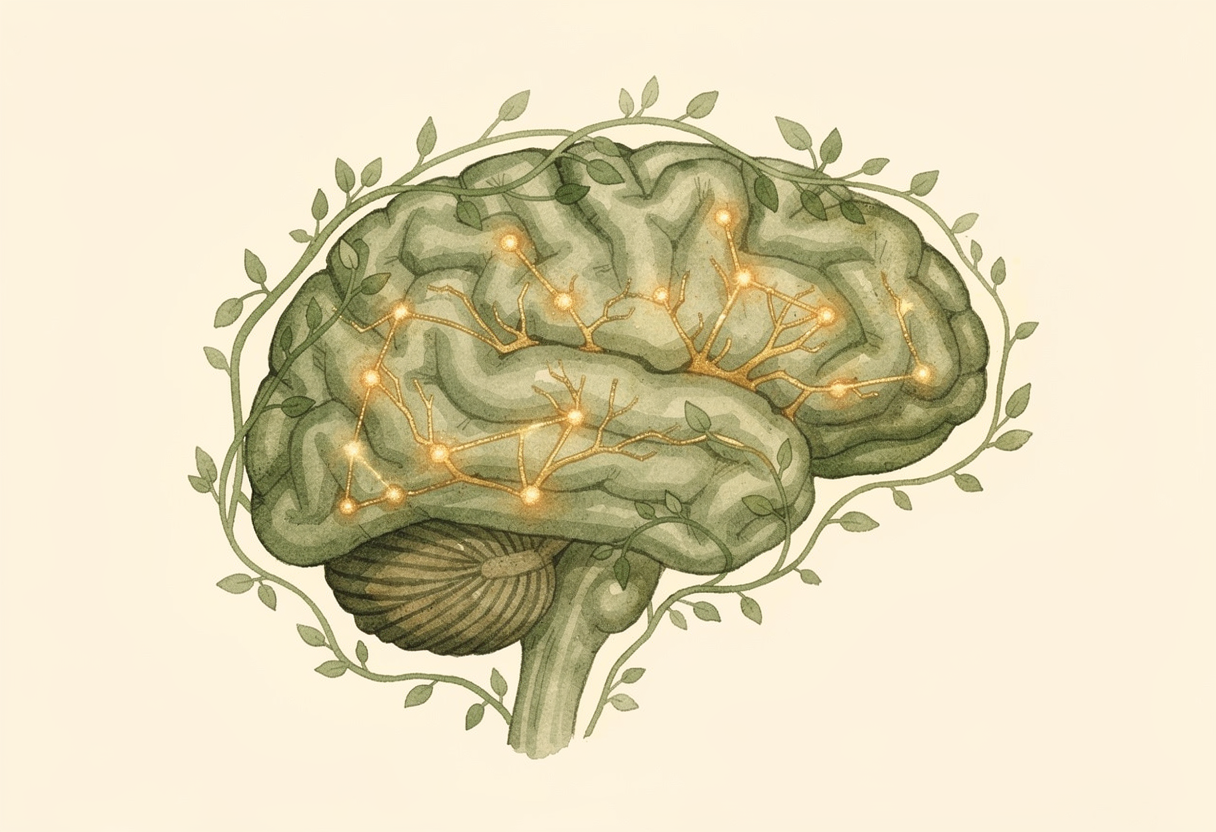
Understand the biological "hijack." Learn why willpower isn't enough and how to stop the cycle of shame that keeps people sick.

Breaking the Family Cycle
Module 2

Breaking the Family Cycle

Identify the roles of the Hero, the Scapegoat, and the Enabler. Learn how to stop "fixing" and start healing.

The Practical Toolkit
Module 3

The Practical Toolkit

Master "I" statements, the Boundary Formula, and the "Three C's." Real tools for high-conflict conversations.

The Path Forward
Module 4

The Path Forward

How to handle relapses without panic, build a support system, and protect your own life while supporting theirs.

Why Knowledge Matters

Hope is not a wish.
Hope is a plan.

The lives of the people we love may very well depend on our ability to respond with logic and love instead of fear and enabling. We provide the science and the structure to help you navigate this crisis. You will learn:

  • How to set boundaries that protect rather than punish
  • Communication skills to reach through the "noise" of addiction
  • The difference between helping and enabling (and how to stop the latter)
  • How to preserve your own sanity and health during the process

"Not all addicted people have the same adverse experiences, but they do all share one thing: at some point, the substance or behavior became, for them, a solution to an emotional problem."

— Dr. Gabor Maté, In the Realm of Hungry Ghosts

"We are not responsible for another person's recovery or lack of it. But we can stop contributing to their problems, and we can start taking better care of ourselves."

— Melody Beattie, Codependent No More

These are among the books that inform our curriculum. See the full reading list →
Try before you enroll

See a full lesson,
free.

Lesson 1 is yours at no charge — no account required. Hear the narration, follow the slides, and decide if this course is right for you.

Watch Free Sample Lesson →
Module 1 · Lesson 1
What Addiction Is and Isn't
The foundational science — why addiction is a disease of the brain, not a failure of character or will.
🎧 Full audio narration 📜 Transcript included
Watch Free →
What's included

Everything you need to learn deeply.

🎧

Professional Narration

Every lesson is read aloud by a professional narrator. Listen at your own pace, replay any time.

🖼️

Illustrated Slides

Each lesson has a full visual presentation to anchor the material and support different learning styles.

📖

Interactive Workbook

Reflection questions and activities are woven throughout the course. Your responses are saved automatically.

📊

Progress Tracking

Pick up exactly where you left off. A one-minute minimum per lesson ensures genuine engagement.

📜

Certificate

Complete all 60 lessons and receive a printable and downloadable PDF certificate of completion.

🔬

Science-Based

Grounded in current addiction research. No stigma, no judgment — just understanding that leads to action.

Begin your path to understanding.

One payment. One year of access. A course that changes how families heal.

$97* · 1-year access
Enroll Now → Free Preview First

 🇺🇸 

 🇪🇸 

 🇫🇷 

 🇩🇪 

 🇮🇹 

 🇧🇷 

 🇮🇳 

 🇯🇵